SAFETY PRODUCTS DIVISION
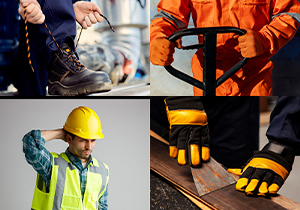
The KRAD Global Safety Products Division has developed safety products of superior quality for the purpose of providing safer work environments regardless of industry and has built a range of protection to meet all your needs, including but not limited to safety helmets, gloves, eye protectors, and flame-resistant clothing; all these products are verified by international safety standards.
Our commitment to providing innovative, dependable safety solutions will help your business be in compliance with all safety regulations and requirements as they relate to safe work environments.
Inherent Flame Retardant Coveralls (IFR Coveralls)
Overview:
IFR Coveralls are designed to assist in protecting against flames and heat through the use of inherently flame-resistant fabric, rather than chemically treated fabrics; since these fabrics have inherent flame resistance, they provide permanent protection and will never deteriorate over time.
Key Features:
-
Inherent Protection:The flame retardancy is woven into the fabric, ensuring that the coveralls retain their protective qualities throughout their lifespan, even after repeated washes.
-
Comfort and Durability:Often made from advanced fibers like Nomex, Kevlar, or other high-performance materials, offering a balance of comfort, durability, and protection. Enhanced Safety: Provides protection against flash fires, high heat, and molten metal splashes, making them suitable for hazardous work environments.
International Standards and Specifications:
-
ISO 11612: Covers protective clothing against heat and flame, specifying performance requirements for garments used in environments with heat hazards.
-
NFPA 2112:Standard for flame-resistant garments for protection of industrial personnel, outlining performance criteria for flame resistance.
-
EN 1149:Specifies requirements for protective clothing with electrostatic properties, relevant for environments where static discharge could be a hazard.
Applications:
-
ISO 11612: Covers protective clothing against heat and flame, specifying performance requirements for garments used in environments with heat hazards.
-
Industrial Work:Suitable for industries like oil and gas, petrochemical, and metalworking where workers are exposed to high heat or flame.
-
Welding and Cutting:Protects against sparks and molten metal splashes in welding and cutting operations.
Inherent flame retardant coveralls offer robust and long-lasting protection, crucial for maintaining safety in high-risk work environments.
| Types | Purpose | Features | Standards | Applications |
|---|---|---|---|---|
| Flame Retardant Coverall (FR Coverall): | Protects against flames, heat, and fire hazards in industrial environments. |
|
|
Used in industries such as oil and gas, petrochemical, and welding, where exposure to high heat and fire is a risk. |
| General Purpose Cotton Coverall: | Provides basic protection and comfort for a variety of standard work environments. |
|
|
Ideal for light-duty tasks in industries like manufacturing, construction, and maintenance, where basic protection and ease of movement are needed. |
Safety Shoes for Construction and Oil/Petrochemical Industries: |
Protects feet from impact, compression, punctures, and slips in hazardous environments. |
|
|
Ensures worker safety and comfort in challenging conditions, including construction sites and oil/petrochemical operations. |
Head Protection - Safety Helmets: |
Protects the head from impacts, falling objects, and electrical hazards in hazardous work environments. |
|
|
Essential for ensuring safety in construction sites, oil rigs, and petrochemical plants, where head protection from various hazards is crucial. |
Hand Protection - Safety Gloves: |
Protects hands from physical injuries, chemicals, and thermal hazards in demanding work environments. |
|
|
Essential for protecting hands in construction sites and oil/gas/petrochemical environments, ensuring safety from a range of potential hazards. |
Eye Protection – Safety Goggles: |
Safeguard eyes from hazards such as debris, chemicals, and intense light in construction, oil, gas, and petrochemical environments. |
|
|
Essential for preventing eye injuries and exposure to hazardous substances, ensuring safety in high-risk industrial and construction settings. |
Get in Touch
You will find yourself working in a true partnership that results in an incredible experience, and an end product that is the best.